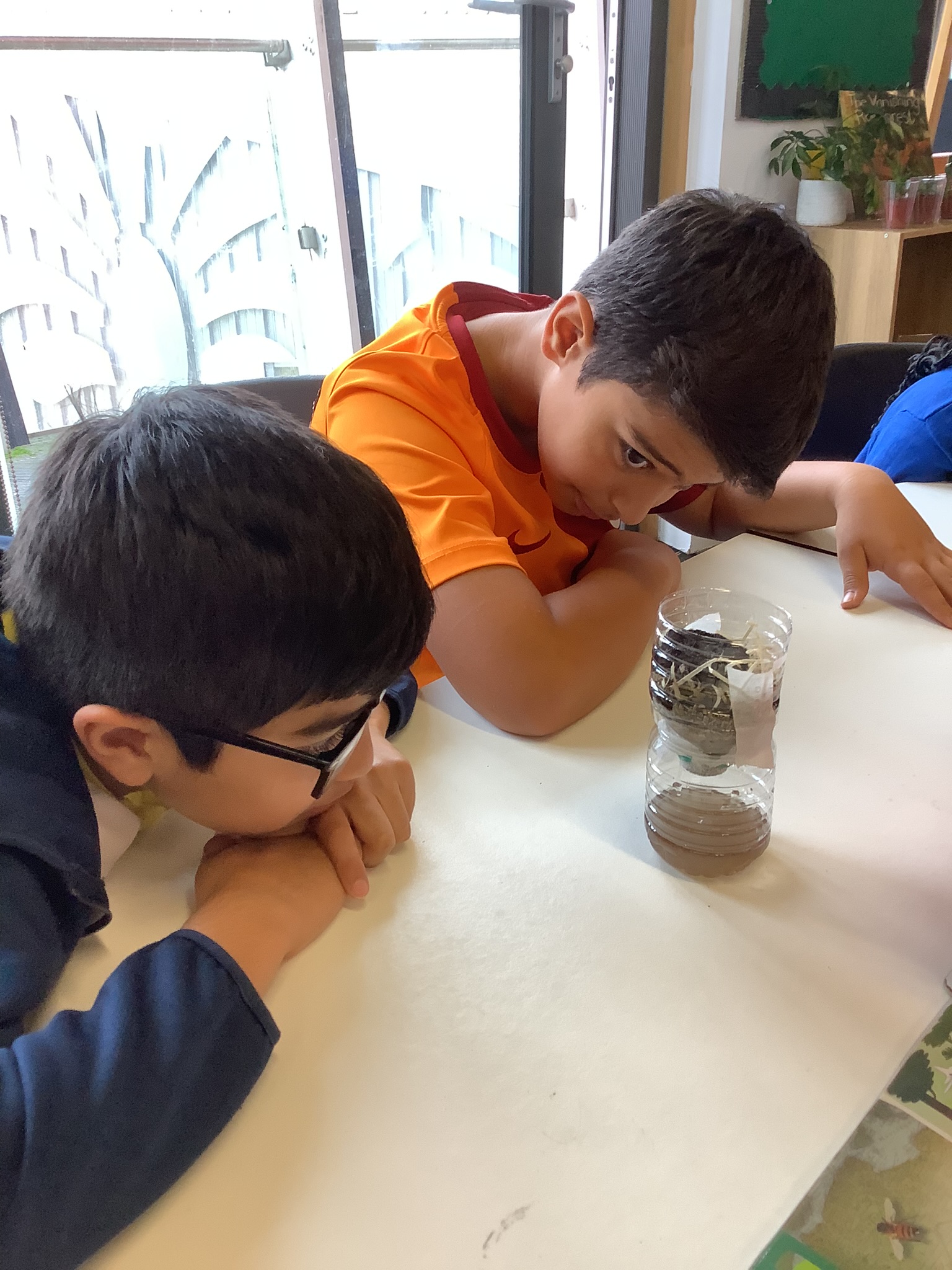
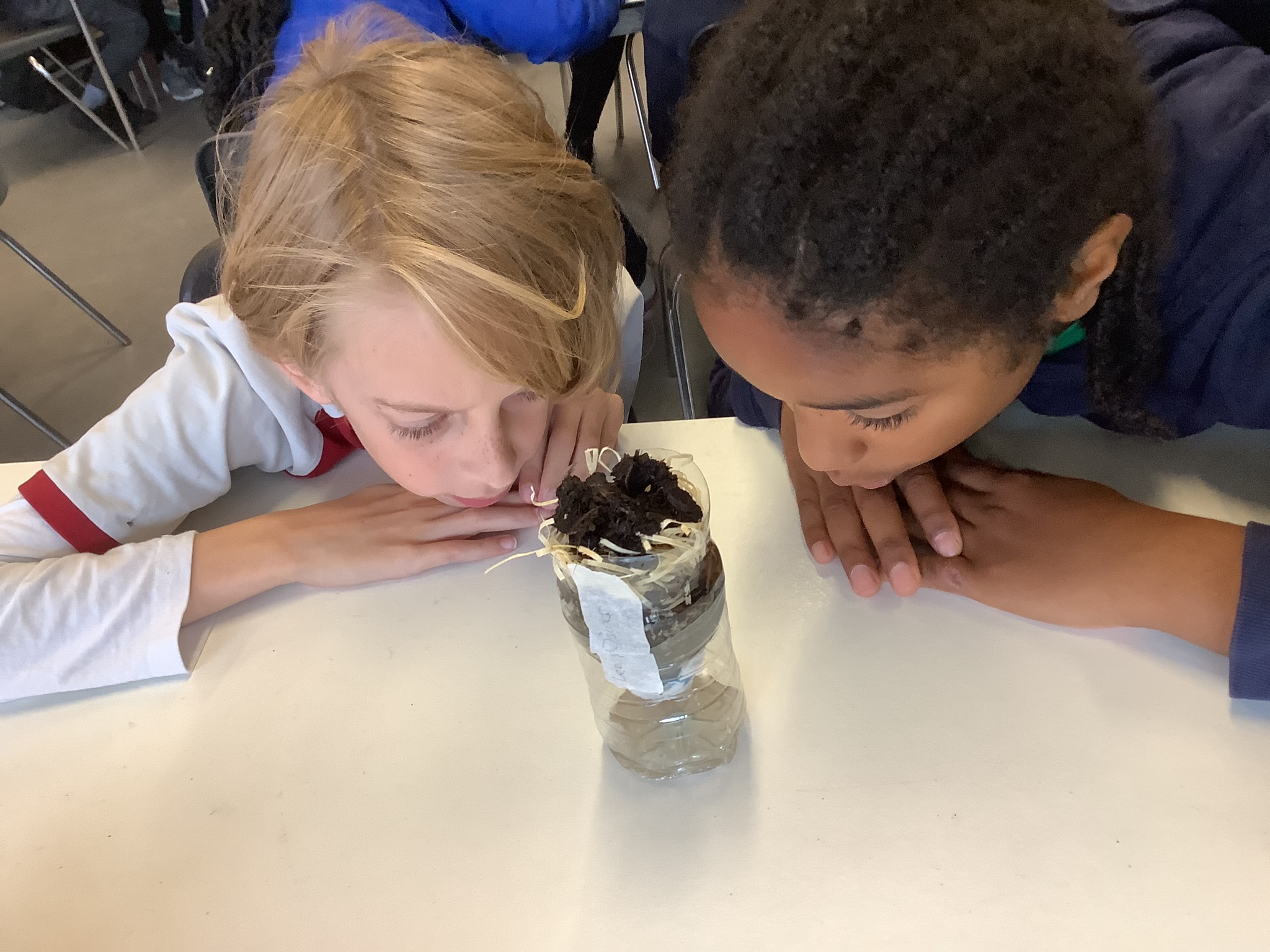
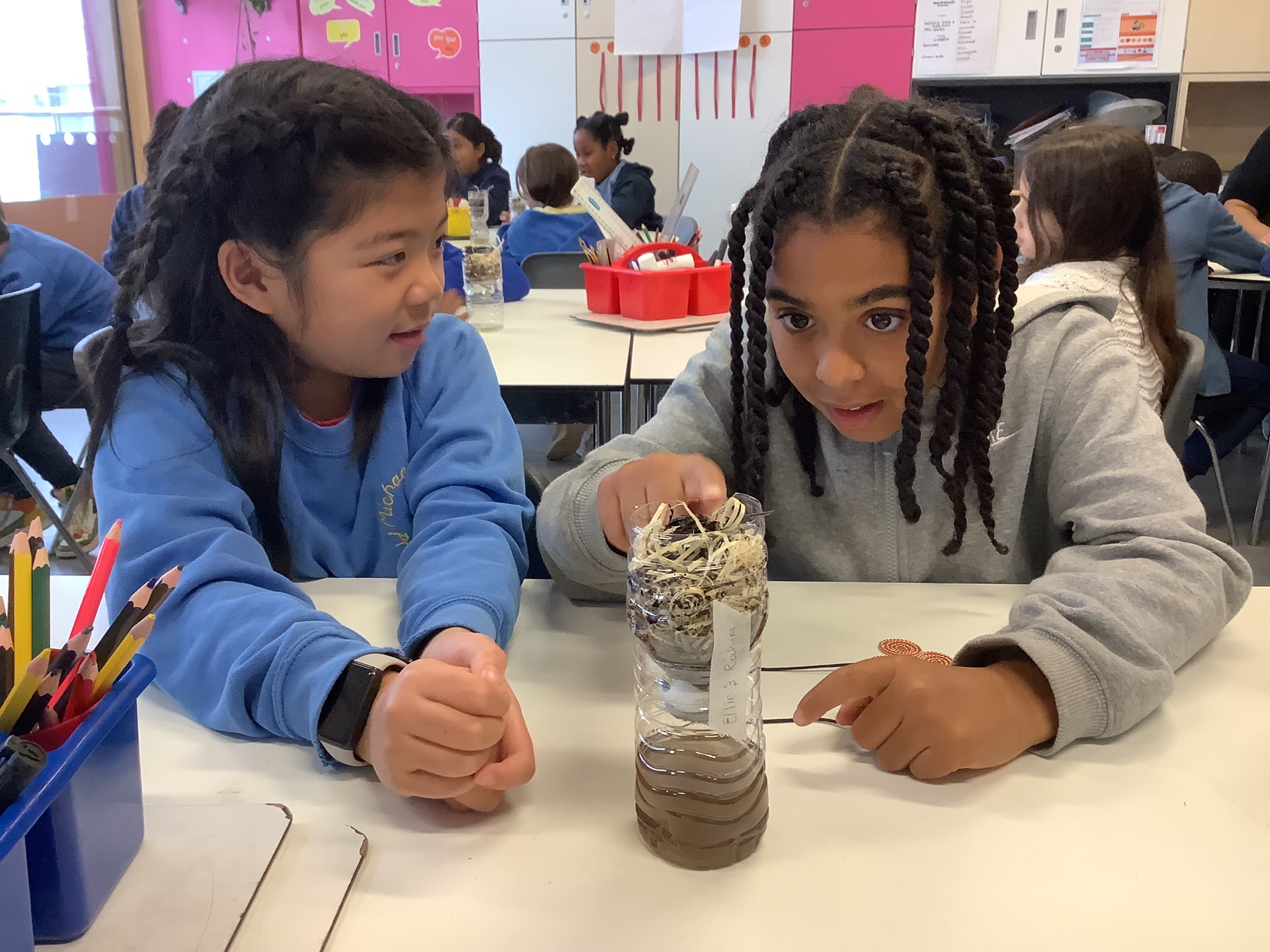
In Science, Year 5 have become expert engineers as we designed our own water filters for our topic on ‘Mixtures and Separation’.
We’ve been learning about the difference between mixtures and solutions this half term, and how they each require different methods of separation. Mixtures are a combination of two or more substances that are insoluble and can be either solid-solid or solid-liquid. Since the substances aren’t bonded together, mixtures can be separated using tools like sieves, magnets, or filters.
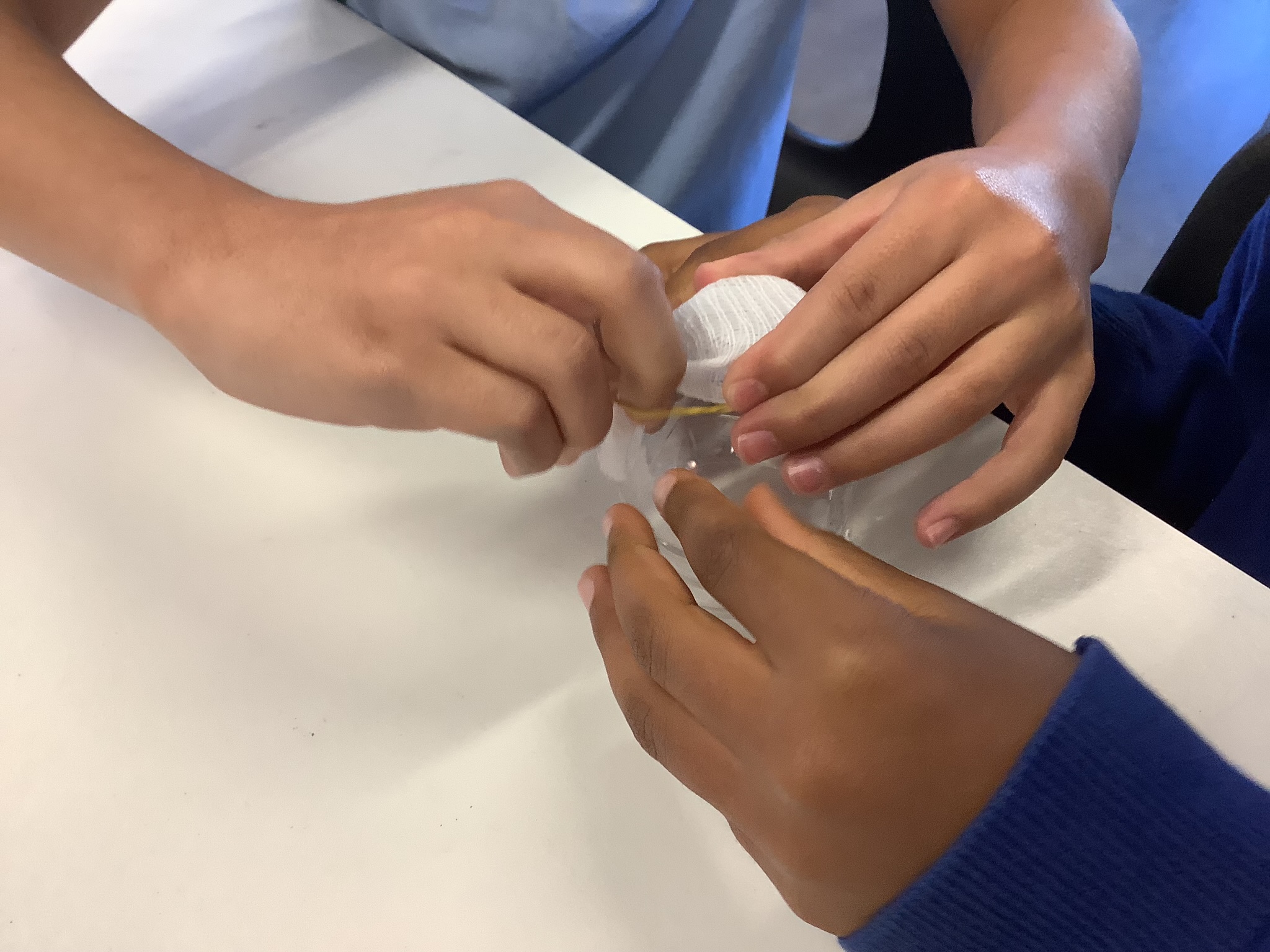
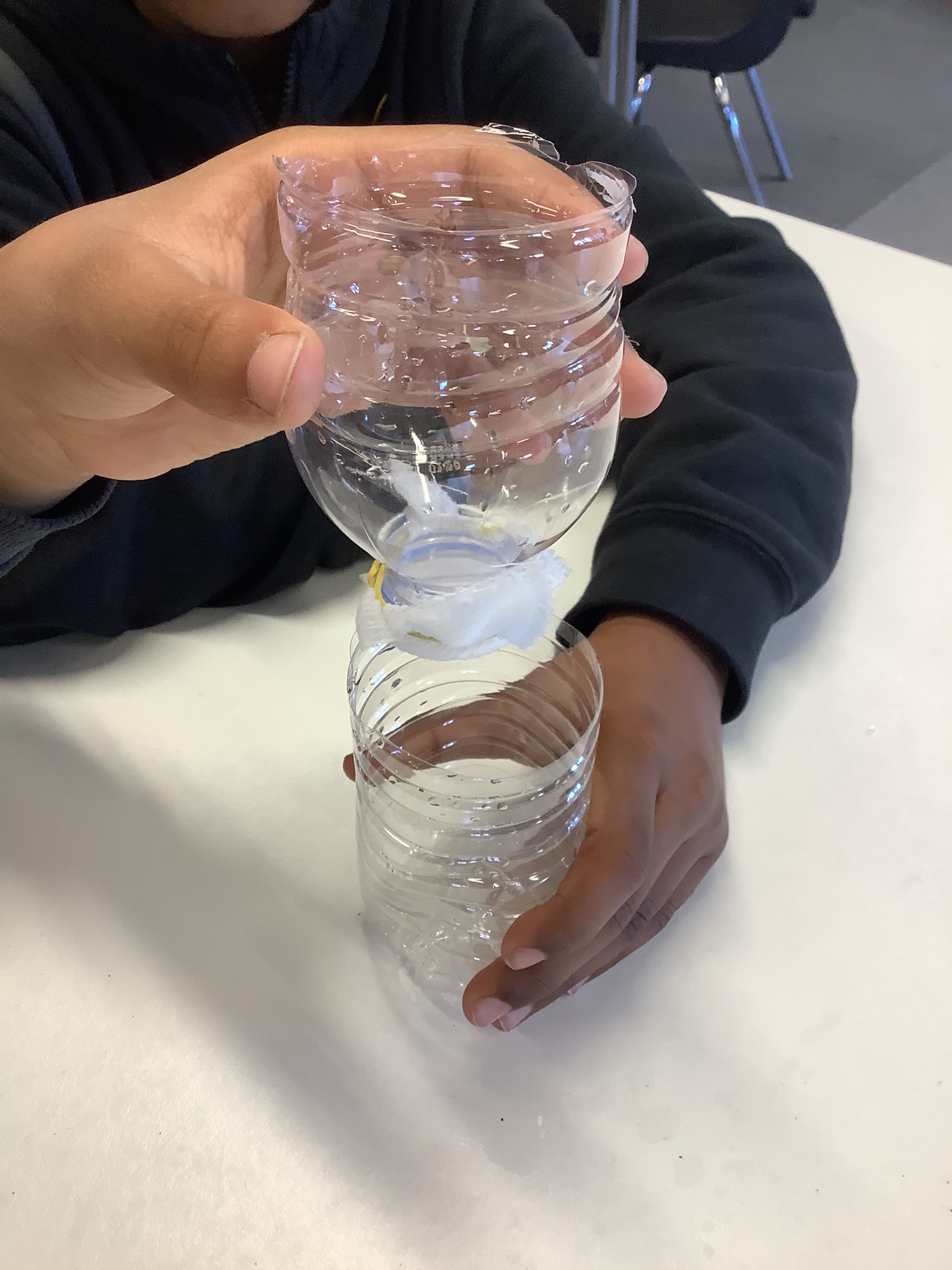
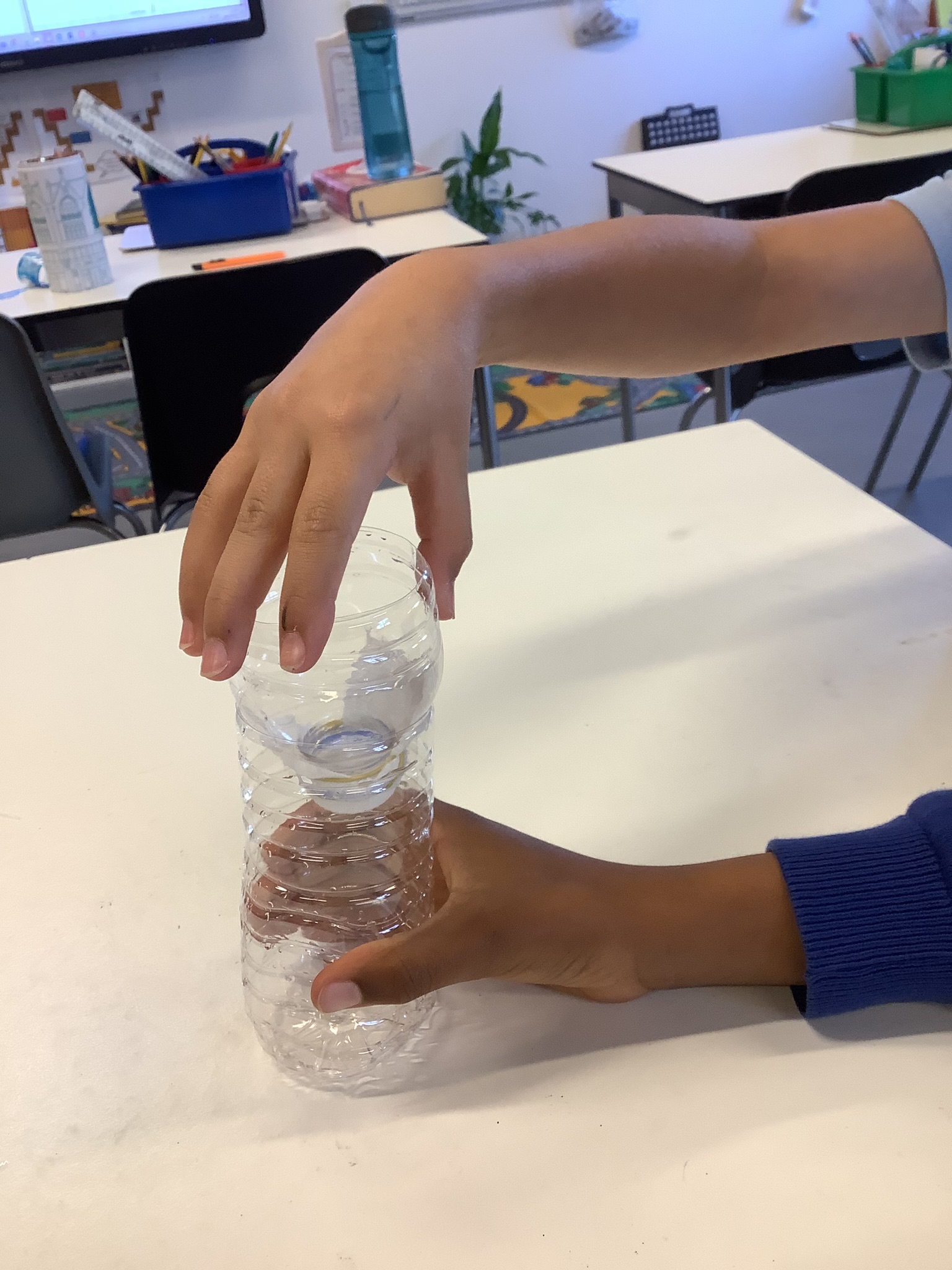
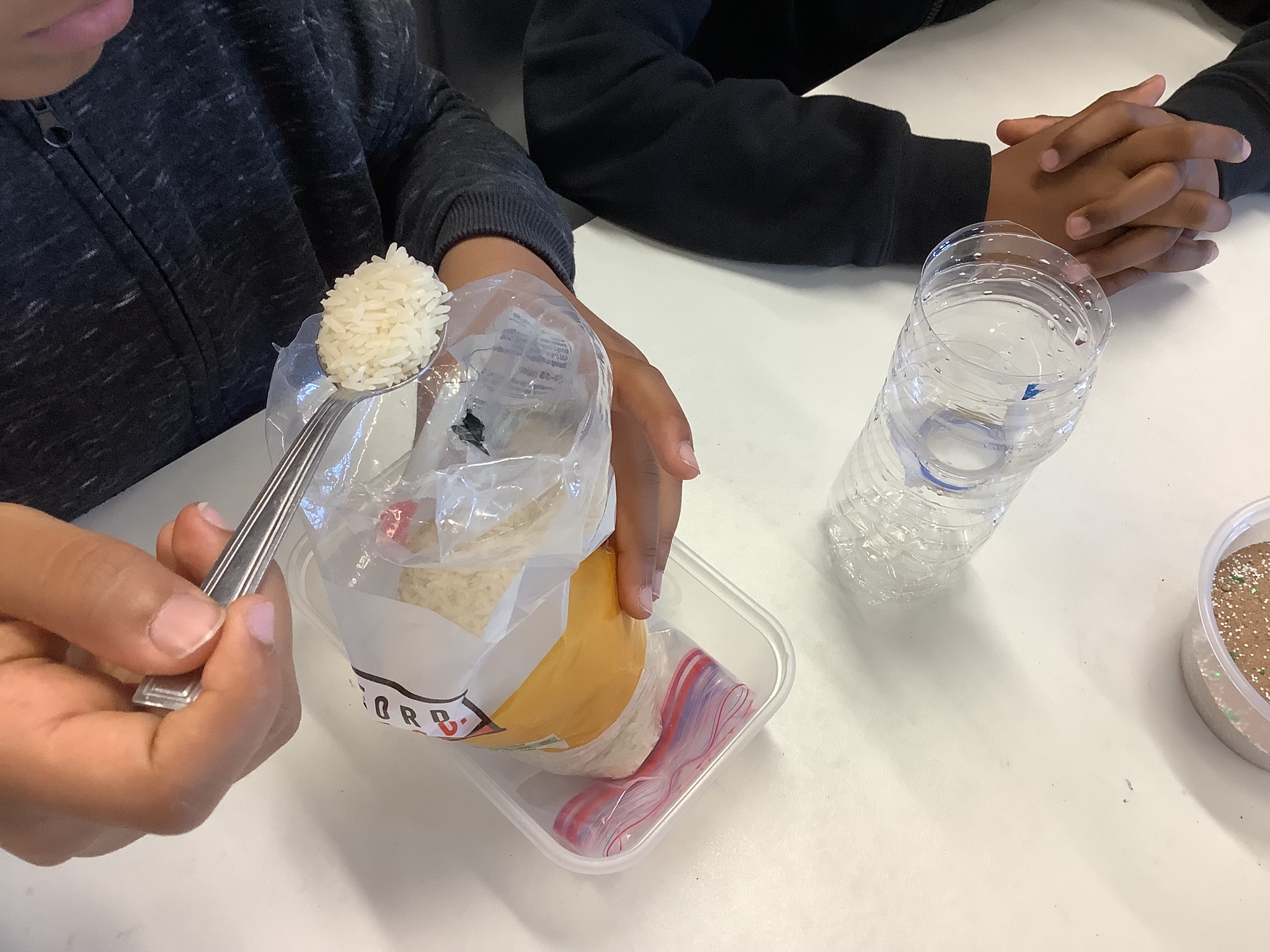
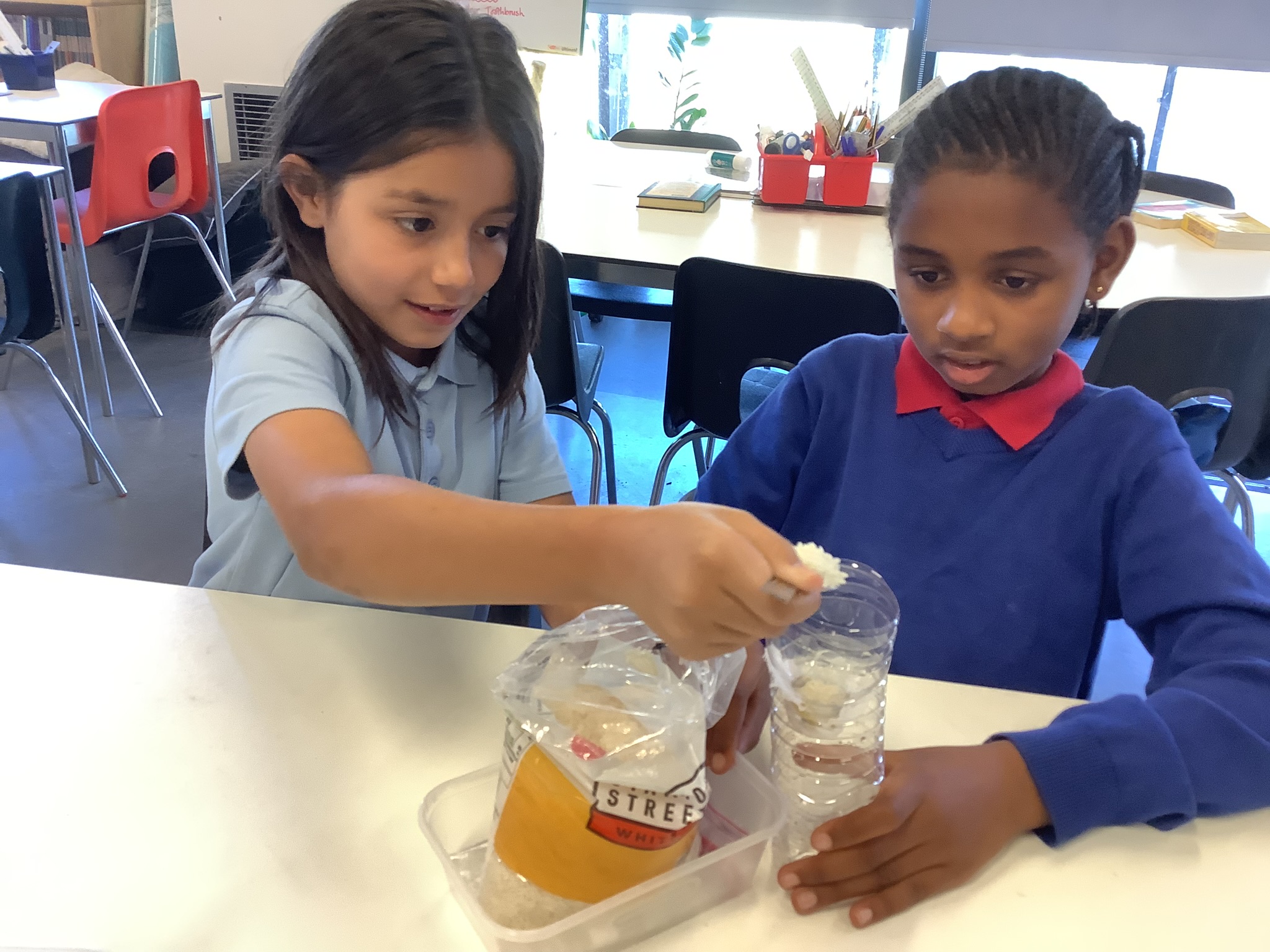
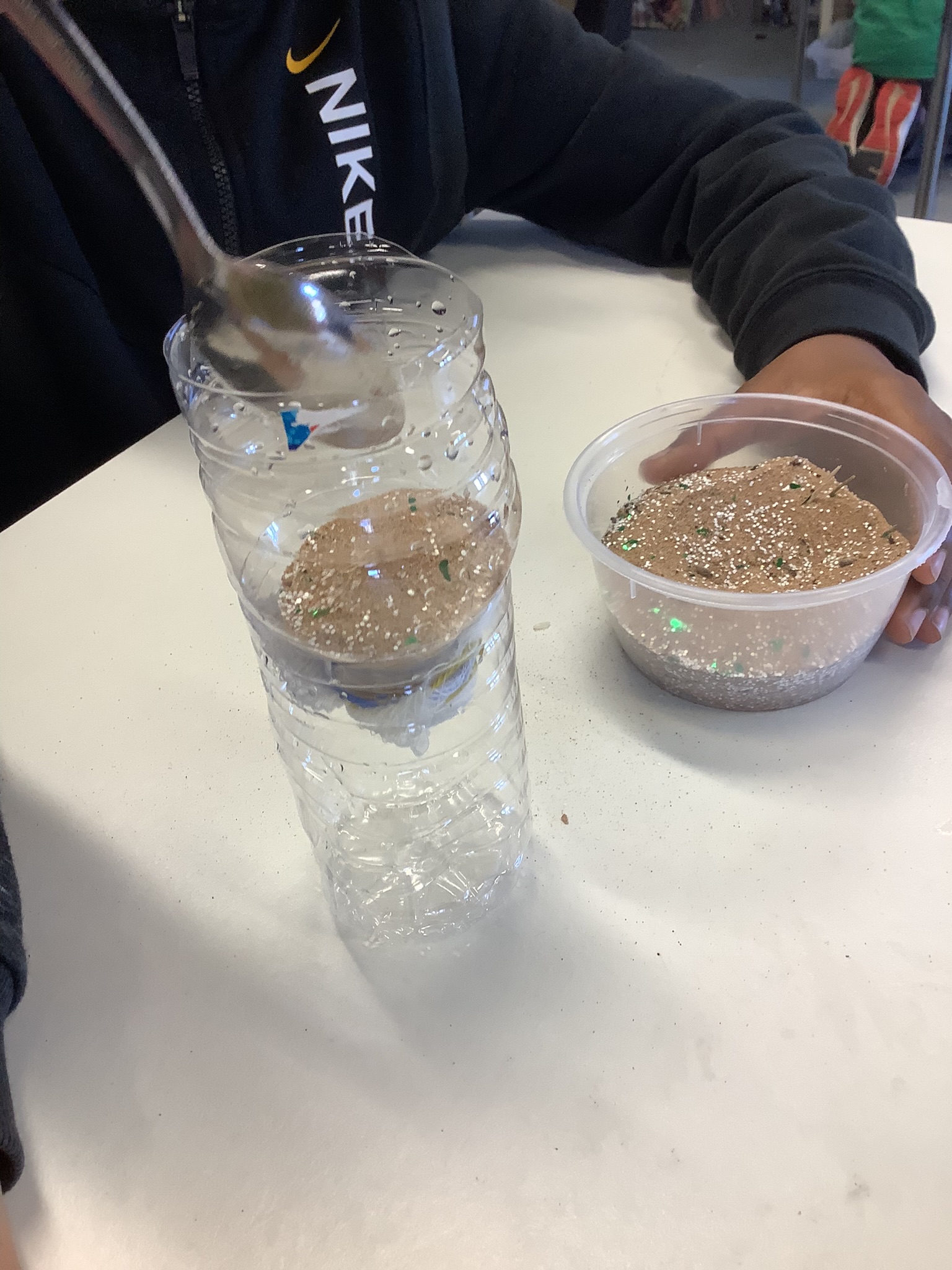
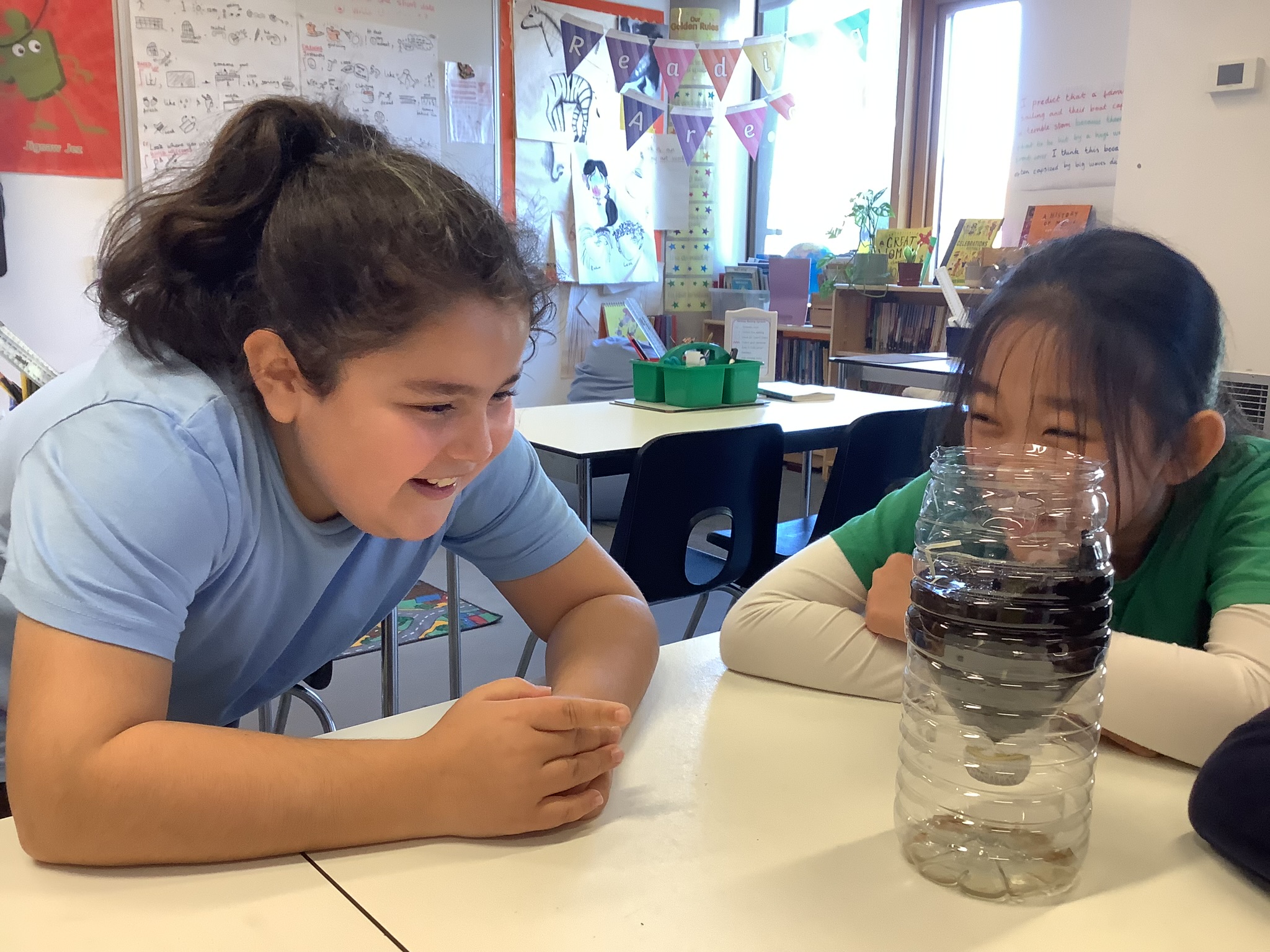
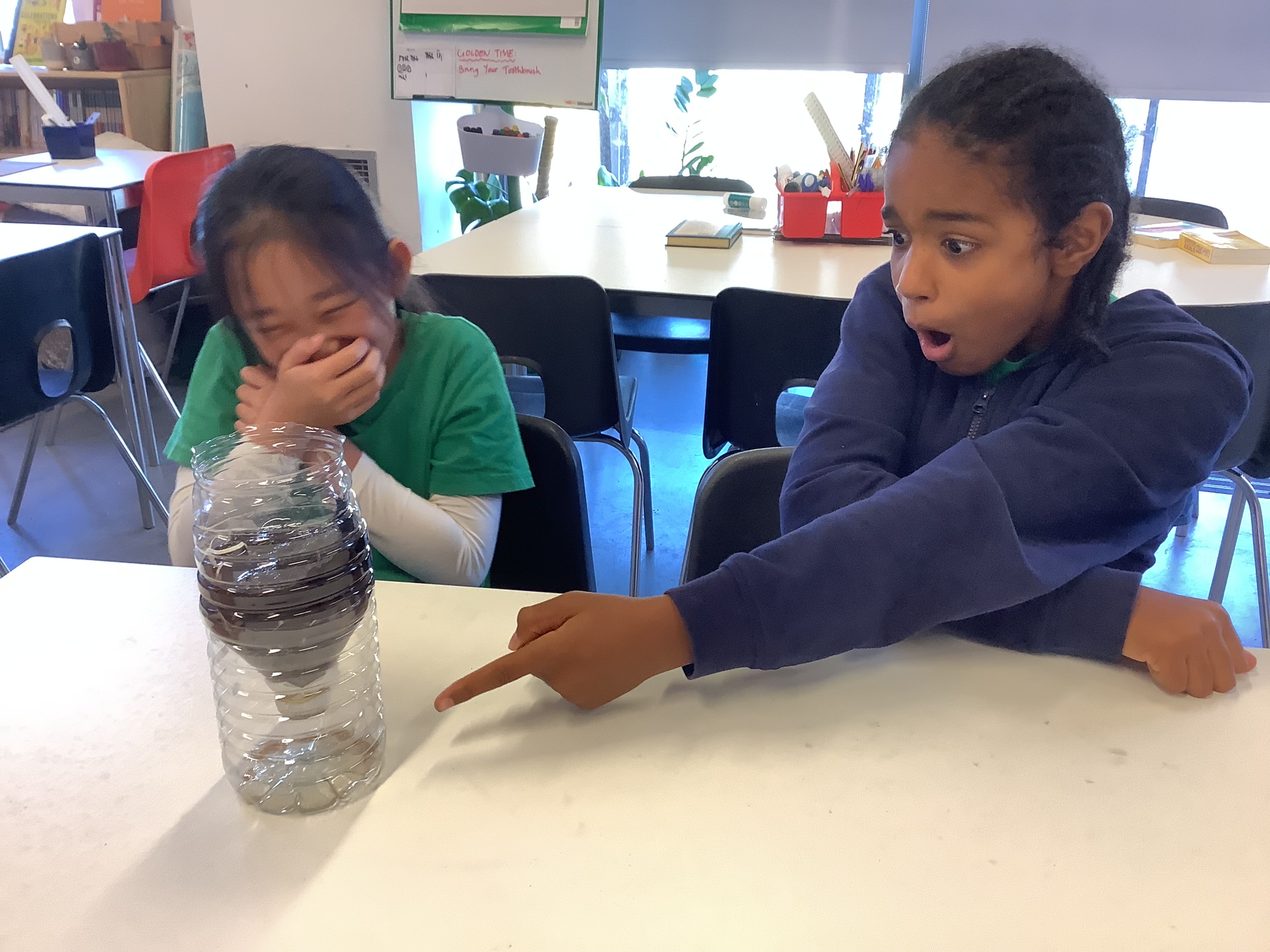
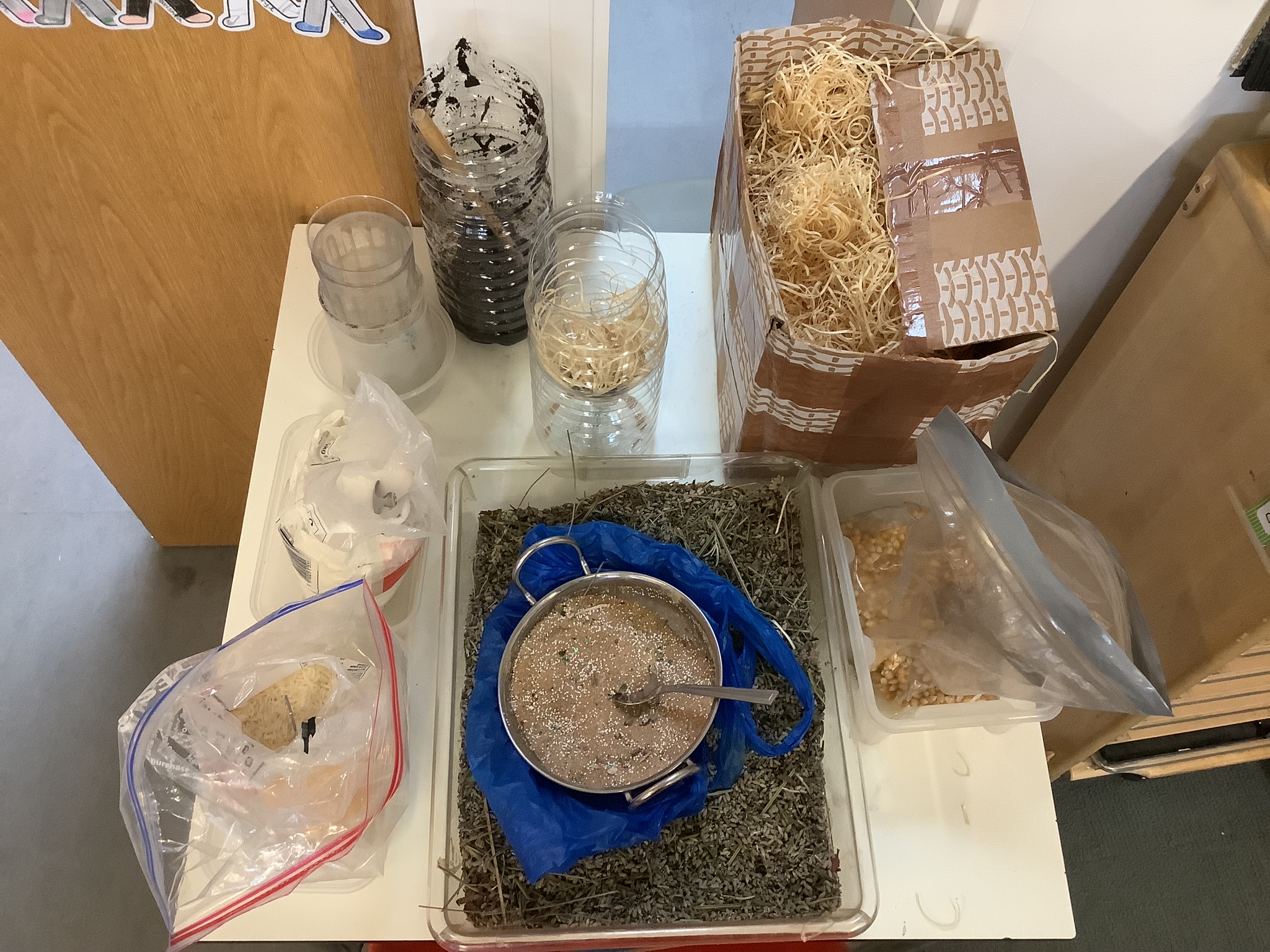
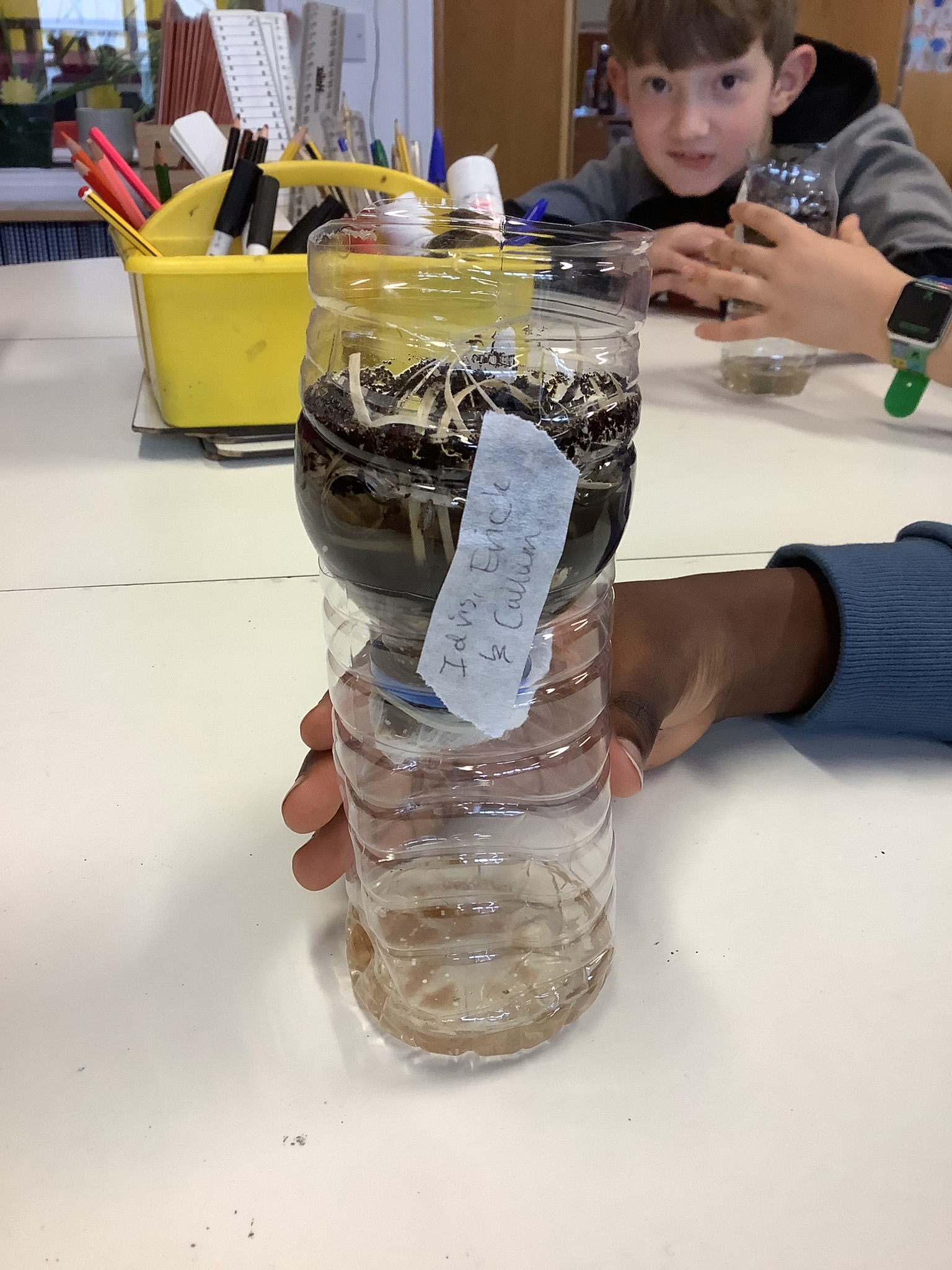
In class, we made our own water filters using plastic bottles, gauze, and different materials to help separate the soil and debris from muddy water. It was fascinating to see how some filters worked better than others depending on which materials we layered first! We discovered that the best filters had small-particle materials like sand or salt at the bottom, with larger materials like straw, lavender, and popcorn kernels at the top.
While we were proud of our water filters, we knew the water still wasn’t safe to drink because microscopic bacteria are too small to be removed by filtering. Luckily, we’ve got plenty of clean water fountains and water bottles to keep us hydrated at school!
In our last lesson, we learnt that solutions are different because they’re a mixture of soluble substances that stay evenly mixed, making them harder to separate. Methods like sieving or filtering don’t work for solutions because the particles are bonded together. Next week, we’ll be investigating dissolving and evaporation, and hopefully uncovering the mystery of how to separate a solution!


 Michael Faraday